
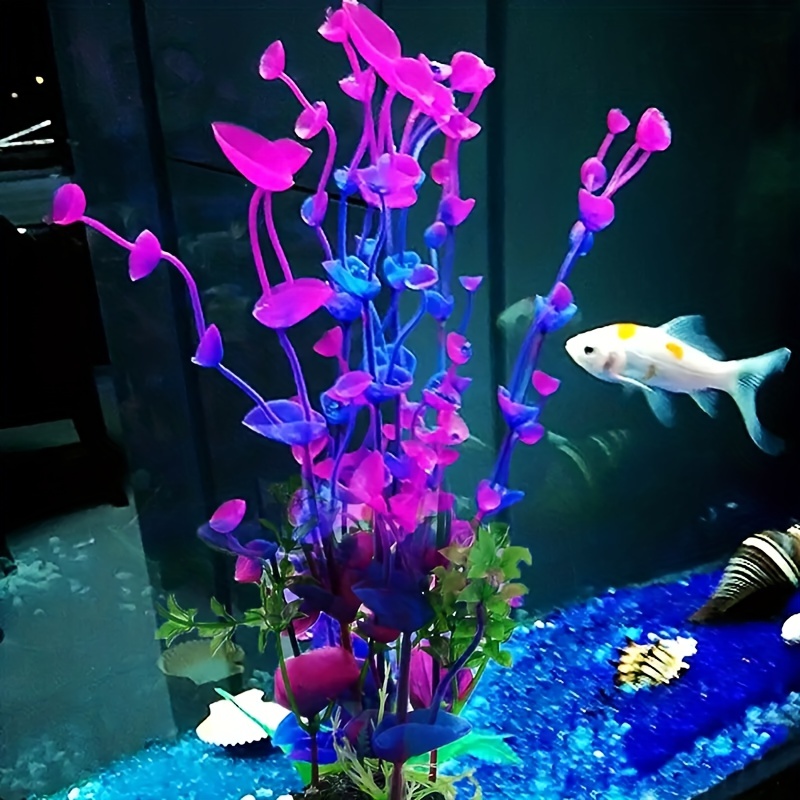

Decorating an aquarium is one of the most fun and creative parts of fishkeeping. Beyond aesthetics, decorations can serve functional purposes like providing hiding places, defining territory, and reducing stress for fish. But with so many options available, choosing the right ones can feel overwhelming. This review explores features, benefits, drawbacks, and practical buying advice to help you choose aquarium fish tank decorations for your tank.
What Are Aquarium Fish Tank Decorations?
Aquarium fish tank decorations are items placed inside a tank to enhance visual appeal and create an enriched, dynamic environment for fish. They range from natural-looking rocks and live plants to fantasy structures and colorful plastic ornaments.
While decorations make tanks look beautiful, they are also important for fish behavior. Fish use them to hide, rest, claim territory, escape bright lights, and feel secure. In nature, fish live among plants, caves, roots, and rocks, so decoration mimics those conditions.
Key Features to Consider
Choosing decorations requires thinking about several features:
Material Quality
Decorations are made from different materials, including:
- Plastic/Resin — Lightweight, colorful, affordable.
- Ceramic — Natural and inert, safe for most tanks.
- Glass/Crystal — Aesthetic but heavier, may be delicate.
- Natural Rock/Driftwood — Great for natural tanks, but needs preparation.
- Live Plants — Biological and beneficial, but require care.
High-quality materials resist fading, don’t leach chemicals, and stay safe in water long-term.
Size & Scale
Decorations must be proportionate to your tank and fish. Large decorations in small tanks reduce swimming space. Tiny decorations in large tanks can get lost visually and create cleaning difficulties.
Rule of thumb:
- In tanks ≤ 20 gallons: use smaller, minimal decorations.
- In tanks ≥ 30 gallons: you can create layers and visual depth with larger pieces.
Fish Safety
The safest decorations have:
- Smooth edges (no sharp corners).
- No paints or dyes that fade into water.
- Non-toxic materials that won’t change pH or hardness.
Avoid decorations with metal, unknown plastics, or residues from manufacturing.
Ease of Cleaning
Some decorations trap debris more than others. Decorations with lots of tiny crevices (like castles with many rooms) look cool but are harder to scrub. Choose items that are easy to remove and rinse.
Aesthetics
Decorations should:
- Match your chosen theme (natural, fantasy, minimalist).
- Enhance your tank’s visual flow and not clutter it.
- Consider substrate color, water clarity, and lighting.
Popular Types of Aquarium Decorations
Below are popular decoration categories, with examples and what they’re best used for.
Natural Decorations
- Driftwood & Bogwood
- Looks natural and provides hiding spots.
- Encourages biofilm growth (food for some species).
- Lowers pH slightly in some tanks (good for soft-water fish).
- Natural Rocks
- Granite, slate, river stones add a natural aquascape.
- Use rocks safe for aquariums (avoid limestone if you don’t want hard water).
- Live Plants
- Offer oxygen and hide spots.
- Natural filtration (absorbs nitrates).
- Requires lighting, substrate, sometimes CO₂.
Best for: Natural, planted, or biotope aquariums; species that like cover.
Artificial Decorations
- Resin Ornaments
- Castles, ruins, shipwrecks, themed graphics.
- Bright colors and sturdy.
- Plastic Plants
- No maintenance like live plants.
- But don’t help water quality.
Best for: Low-maintenance tanks, themed decorations.
Functional Decorations
These serve as habitat and enrichment too:
- Caves, tubes, tunnels
- PVC decorations
- Rock piles and stacked structures
- Leaf litter and coco hides
Good for shy fish that need shelter.
Substrate Decorations
Not exactly ornaments, but important:
- Colored sands & gravels
- Aquarium soils (for plants)
- Pebbles & pebbles mixed with live plants
These set the foundation of the visual theme.
Pros of Aquarium Decorations
Decorations do more than look nice — they benefit both fish and aquarists in several ways.
Enhance Fish Well-Being
Many fish species are stressed without cover. Decorations:
- Create hiding spots
- Reduce bullying (by breaking up lines of sight)
- Provide comfort and territory
This leads to healthier fish with fewer escape behaviors and less aggression.
Improve Aesthetics
A bare tank looks empty and uninteresting. Decorations:
- Add visual interest and focal points
- Create depth and themes (e.g., jungle, sunken city, Zen garden)
- Match your room decor
Well-designed tanks are beautiful conversation pieces.
Enrich Fish Behavior
Fish explore, hide, and rest among objects. This:
- Stimulates natural behavior
- Reduces boredom
- Encourages breeding in some species
Create Habitat Variation
Different species prefer different spaces:
- Open swimming space for tetras
- Dense cover for dwarf cichlids
- Rock caves for gobies
A varied layout satisfies multiple species at once.
Can Assist Water Chemistry
Live plants and natural wood/rocks help regulate water chemistry. Live plants:
- Absorb nitrates
- Stabilize pH (some species)
- Produce oxygen
Cons & Drawbacks
Decorations are awesome — but not perfect. Here are potential downsides:
Can Trap Waste
Complex ornaments with lots of holes:
- Accumulate uneaten food and poop
- Increase nitrate levels if not cleaned regularly
You then must scrub them often.
Some Can Alter Water Chemistry
Certain rocks and woods:
- Raise hardness or pH (e.g., limestone)
- Lower pH (tannins from wood)
This can be bad if you don’t want water changes.
Not All Are Fish-Safe
Cheap decorations:
- May contain harmful dyes that leach into water
- Have sharp edges that can injure fish
- Include lead or unsafe metals
Always choose items labeled aquarium-safe.
Live Plants Require Care
If you choose live plants:
- Lighting must match plant needs
- Some need fertilizers or CO₂
- Dead plant matter must be removed
It adds responsibility.
Over-Decorating Reduces Swimming Space
Too many decorations:
- Limit open swimming areas
- Can stress active swimmers
- Make cleaning harder
Balance is key.
How to Choose the Right Decorations
Here’s a step-by-step selection process:
Know Your Fish Species
Different fish have different needs:
| Fish Type | Best Decoration |
| Cichlids | Rocks, caves, sturdy hides |
| Angelfish | Tall plants |
| Bettas | Silk plants, leaves |
| Tetras | Dense plants, floating cover |
| Shrimp | Moss, fine plants |
| Bottom feeders | Smooth rocks, driftwood |
Ask yourself:
- Do they like hiding?
- Do they need open space?
- Are they diggers?
Decide on a Theme
Common themes:
- Natural biotope — emulates real habitat
- Zen / minimalist — clean stones and plants
- Fantasy / themed — castles, pirate ships
- Colorful & playful — bright plastics
Pick a style that inspires you.
Size It Right
Measure your tank. Don’t guess.
- Large centerpieces should not block light or view.
- Keep swimming pathways open.
A common mistake is buying decorations too big for the tank.
Check Material Safety
Ensure:
- “Aquarium safe” label
- No lead, unsafe dye, or metal
- Non-reactive to salt, freshwater, or aquarium chemicals
Research products before buying.
Think About Cleaning
- Can you easily reach all sides to scrub?
- Is the item removable without disturbing fish too much?
Reviews: Common Decoration Categories
Here’s an objective look at popular decoration categories — not brand-specific, but category-wide pros and cons.
Resin Figurines & Ornaments
Examples: Castles, sunken ships, themed sculptures.
Pros
- Visually striking
- Durable and long-lasting
- Easy to rinse
Cons
- Can trap debris in small detailed areas
- Do not improve water chemistry
- Some cheap ones have toxic paints
Best for: Themed aquariums where appearance matters.
Plastic Plants
Pros
- Very easy to maintain
- No lighting or fertilizer needed
- Never die or rot
Cons
- Look artificial (unless high-quality)
- Don’t help water quality
- Can trap debris under leaves
Best for: People who do not want plant care.
Natural Rocks & Slate
Pros
- Looks natural and attractive
- Stable, heavy, and fish-safe
- Great for biotope styles
Cons
- Some rocks raise pH/hardness
- Need cleaning before use
- Heavy — careful not to crack tank
Best for: Natural or planted tanks.
Driftwood & Bogwood
Pros
- Adds natural look
- Fish love hiding among wood
- Can help condition water (if used right)
Cons
- Releases tannins (brown tint in water)
- Needs soaking to sink
- May require cleaning
Best for: Natural tanks, especially with soft-water fish.
Live Plants
Pros
- Biological filtration
- Oxygen production
- Natural hiding places
Cons
- Need time and care
- Lighting cost/complexity
- Dead leaves required removal
Best for: Planted tanks and fish that benefit from vegetation.
Functional Hides & Caves
Pros
- Reduces stress for shy fish
- Great for breeding setups
- Can be simple or natural
Cons
- Must be scaled to fish size
- Too many can reduce swimming space
Best for: Shy or territorial species.
Safety & Maintenance Tips
Keeping decorations looking good and fish safe requires ongoing care.
Cleaning Decorations
- Rinse decorations in tank water during water changes.
- Avoid soap or detergents — harmful to fish.
- Use aquarium brushes to dislodge debris.
Preparing Natural Materials
Before adding rocks or wood:
- Rinse thoroughly.
- Soak wood to sink and leach tannins.
- Test rocks with vinegar — fizzing means calcium (raises hardness).
Avoiding Sharp Edges
Rub your fingers gently over all new decorations. Sand rough areas or avoid them entirely.
Avoid Unlabeled Items
Even pretty stones from a garden store may harm fish. Always choose items specifically labeled aquarium-safe.
How Decorations Affect Water Quality
Not all decorations are inert. Here’s how they can impact your tank:
Live Plants
✔ Help reduce nitrates
✔ Add oxygen at night (but also consume oxygen at night)
Driftwood
✔ Releases tannins — can lower pH
⚠ Water may appear tea-colored (harmless but aesthetic)
Rocks
⚠ Some leach minerals into water
✔ Granite and slate are generally safe and inert
Plastic/Resin
✔ Inert (if aquarium-safe)
⚠ Some cheap ones leak dye
When You Should Buy Aquarium Decorations
Decorations are a great buy when:
✔ You want a more natural and interesting tank
✔ Fish are stressed or hiding constantly
✔ You’re setting up a new aquarium and need structure
✔ You want to create a themed display
✔ You want to support fish behavior like breeding or territory
When You Shouldn’t Buy Decorations
Some situations where adding decorations might not be helpful:
❌ Your tank is overpopulated and full — more items reduce swimming space
❌ You want a very minimalist open swimming aesthetic
❌ You’re using fish that prefer wide open water with no obstacles
❌ You don’t plan to clean them — debris buildup can worsen water quality
Decorating Tips & Layout Ideas
Here are practical tips to design your tank like a pro:
Rule of Thirds
Similar to photography, divide your tank visually into thirds. Place focal decorations off-center to create natural visual balance.
Create Depth
Use taller plants or harder structures in the back and lower elements in front. This creates depth and makes the tank look bigger.
Negative Space Matters
Leave open water areas for active fish. Too many decorations can make the tank look crowded.
Match Decorations to Fish Behavior
Example:
- Shy schooling fish → lots of plant cover
- Active swimmers → open middle space
- Bottom dwellers → caves and ledges
Common Mistakes to Avoid
Buying Decorations Before Choosing Fish
Some fish need specific environments — build with fish in mind.
Using Garden Rocks
These may contain unsafe minerals.
Neglecting Cleaning
Dirty decorations trap waste and harm water quality.
Forgetting Scale
Tiny decorations in big tanks can look messy.
Budgeting Aquarium Decorations
Decorations range from cheap to premium. Here’s how to budget:
- $0–$10: Plastic plants, small rocks
- $10–$30: Mid-size resin ornaments, medium wood pieces
- $30–$100+: Large wood, premium live plants, aquascaping stone sets
You don’t need everything expensive. Focus on safety and balance.
Wrap-Up
Aquarium fish tank decorations are more than pretty accessories — they shape your tank’s environment, fish behavior, and overall enjoyment of the hobby. When chosen thoughtfully, they can:
✔ Improve fish health and reduce stress
✔ Create stunning, personalized aquascapes
✔ Enhance natural behavior and territorial comfort
But decorations are not one-size-fits-all. Consider fish needs, material safety, scale, and your willingness to maintain them.
Frequently Asked Questions (FAQs)
- 1. Are aquarium fish tank decorations necessary?
Aquarium decorations are not strictly required, but they greatly improve fish comfort. Decorations provide hiding spots, reduce stress, and help fish behave more naturally, which can lead to better health and activity levels.
- 2. Are all aquarium decorations safe for fish?
No. Only decorations labeled aquarium-safe should be used. Unsafe materials, sharp edges, or toxic paints can harm fish and contaminate water.
- 3. Can aquarium decorations affect water quality?
Yes. Natural decorations like driftwood and certain rocks can change pH and hardness. Live plants usually improve water quality, while plastic or resin decorations are typically neutral if they are aquarium-safe.
- 4. Should I clean decorations before putting them in the tank?
Absolutely. Always rinse new decorations with clean water before use. Never use soap or detergent, as residues can be deadly to fish.
- 5. How often should aquarium decorations be cleaned?
Decorations should be cleaned every 2–4 weeks or during regular water changes. Cleaning helps prevent algae buildup and trapped waste that can affect water quality.
- 6. Are plastic aquarium decorations safe?
High-quality plastic decorations designed for aquariums are generally safe. Avoid cheap or unbranded items, as they may release harmful chemicals or dyes into the water.



Pingback: How to Graduation Cap Decoration - home decor ideas24
Pingback: Polyvine decorator's dead flat varnish pint / 500ml - home decor ideas24
Your style is very unique compared to other people I have read stuff from.
Many thanks for posting when you have the opportunity,
Guess I’ll just bookmark this page.
After looking over a few of the blog articles on your web page, I really appreciate your way of blogging.
I book-marked it to my bookmark site list and will be checking back soon. Please check out my web site too and let me know what you think.
Have you ever thought about including a little bit more than just your
articles? I mean, what you say is valuable and all. But just imagine if you added some great graphics or video clips to give your posts more, “pop”!
Your content is excellent but with pics and video clips, this
website could certainly be one of the most beneficial in its field.
Excellent blog!
Hey there! I could have sworn I’ve been to this website before but after browsing through some of the post I realized it’s new to me.
Nonetheless, I’m definitely delighted I found it
and I’ll be bookmarking and checking back frequently!
It’s an amazing post in support of all the web users; they will get advantage from it I am sure.
Hi there! Do you know if they make any plugins to safeguard
against hackers? I’m kinda paranoid about losing everything I’ve worked hard on. Any recommendations?
For most up-to-date news you have to pay a quick visit internet and on web I found this website as a finest website
for most up-to-date updates.