
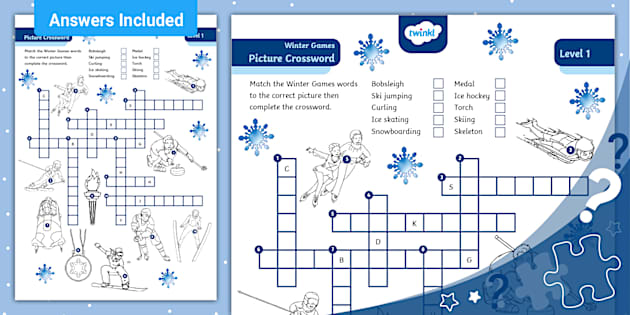

If you’ve been working on a crossword puzzle and stumbled upon the clue “method of starting play in ice hockey,” you’re likely searching for a seven-letter answer: FACEOFF. But understanding this fundamental aspect of hockey goes far beyond solving a puzzle. The face-off represents one of the most critical moments in hockey, determining possession, momentum, and potentially the outcome of the game itself. This comprehensive guide explores everything you need to know about face-offs in ice hockey, from the basic rules to advanced strategies that professional players use to gain competitive advantages.
What is a Face-Off in Ice Hockey?
A face-off is the official method used to begin and restart play in ice hockey. During this procedure, two teams line up in opposition to each other, and the opposing players attempt to gain control of the puck after it is dropped or otherwise placed between their sticks by an official. The term “face-off” literally describes the action—two players facing each other, competing for the puck the moment it touches the ice.
The face-off isn’t just a formality; it’s a strategic battle that happens dozens of times throughout every hockey game. Each face-off presents an opportunity for teams to gain possession, establish offensive pressure, or defend their zone effectively. The player who wins the face-off can immediately pass to a teammate, control the play’s direction, and set the tone for the ensuing action.
Understanding face-offs is essential whether you’re a crossword enthusiast curious about hockey terminology, a new fan learning the game, or even a player looking to improve your skills. This procedure combines precise rules, physical technique, strategic positioning, and split-second timing into one of hockey’s most exciting and competitive moments.
Why Face-Offs Matter: The Strategic Importance
Face-offs occur at specific moments throughout a hockey game, and their strategic importance cannot be overstated. Here’s why winning face-offs is crucial:
Possession Control: The team that wins the face-off immediately controls the puck, allowing them to dictate the pace and direction of play. This advantage is particularly significant in offensive zones where winning the draw can lead directly to scoring opportunities.
Momentum Shifts: A well-executed face-off win can change the game’s momentum, especially after penalties, goals, or during crucial moments in close games. Teams trailing late in games often rely on winning offensive zone face-offs to maintain pressure and create chances.
Zone Time Management: In defensive situations, winning face-offs allows teams to clear the puck from danger and relieve pressure. Conversely, losing defensive zone draws can result in extended periods of defending and increased scoring chances for opponents.
Special Teams Success: During power plays and penalty kills, face-off wins become even more critical. A power play team that wins the offensive zone draw can set up their formation and maintain pressure, while penalty kill units that win draws can eat up valuable penalty time by maintaining possession.
The Anatomy of a Face-Off: Breaking Down the Components
The Face-Off Spots
Ice hockey rinks contain nine designated face-off spots where the puck can be dropped. These locations serve specific purposes:
- Center Ice Circle: Located at the red center line, this is where face-offs occur at the start of each period, after goals are scored, and following certain penalty situations
- Four End Zone Circles: Two in each defensive/offensive zone, positioned on either side of the goaltender
- Four Neutral Zone Dots: Located between the blue lines, used for most stoppages in the neutral zone
The location of each face-off is determined by where play was stopped and the reason for the stoppage. Understanding these positions helps players and teams prepare appropriate strategies for each situation.
The Officials’ Role
One of the referees drops the puck at centre ice to start each period and following the scoring of a goal. The linesmen are responsible for all other face-offs. Officials play a crucial role in ensuring face-offs are conducted fairly, watching for violations, and maintaining the integrity of this fundamental aspect of the game.
Officials signal players to take their positions, ensure proper alignment, and drop the puck when both players are set and positioned correctly. They also have the authority to remove players from face-offs who commit violations, maintaining fair competition throughout the game.
Step-by-Step Guide: How a Face-Off Works
Understanding the precise sequence of events during a face-off helps appreciate the complexity and skill involved in this seemingly simple procedure.
Step 1: Stoppage of Play
Play stops for various reasons including goals scored, penalties called, puck leaving the playing surface, icing infractions, offsides violations, or goaltender freezing the puck. The reason for stoppage determines where the subsequent face-off will occur.
Step 2: Official Signals Location
The referee or linesman indicates the face-off location by skating to the appropriate spot and signaling players to take their positions. This provides clear communication about where play will restart and allows teams to strategically position their players.
Step 3: Player Positioning
The two players will line up at the faceoff dot, facing each other with their sticks on the white of the ice – outside of the faceoff dot. The other players that aren’t involved in the faceoff must line up 15 feet away from the players facing off. This positioning ensures fair competition and prevents players from gaining unfair advantages through early movement or encroachment.
Step 4: Stick Placement Protocol
The stick placement sequence follows specific rules that vary by location. For faceoffs in the offensive zones, the defending teams’ faceoff man will put his stick down first. For faceoffs in the neutral zone (between the blue lines), the opposing teams’ faceoff man will put his stick down first. In NHL games, the visiting team’s center must place their stick down first, giving the home team a subtle advantage.
Step 5: Five-Second Window
At the time of the referee stops the play, each team has five seconds to get set up for the ensuing faceoff. This rule prevents teams from stalling or gaining unfair advantages through delayed positioning. Officials strictly enforce this timing, and failure to comply can result in the offending team’s center being removed from the draw.
Step 6: Post-Face-Off Play
Once the face-off is complete and one player gains possession, play continues according to standard hockey rules. The winning team attempts to maintain possession and create offensive opportunities, while the losing team transitions to defense or forechecks to regain the puck.
Face-Off Rules and Violations: What Players Cannot Do
The rules governing face-offs are detailed and strictly enforced, ensuring fairness and preventing teams from gaining unfair advantages. Understanding these rules helps players avoid penalties and violations that result in being removed from the draw.
Pre-Drop Violations
Early Movement: Players taking the face-off cannot move forward or attempt to play the puck before it’s dropped. Any anticipatory movement results in immediate removal from the face-off. This violation is common as players try to gain split-second advantages.
Physical Contact: The two players facing off cannot come in contact with each other before the puck is dropped. Any use of body, stick, or hands to interfere with the opponent before the puck touches ice constitutes a violation. Players must maintain their position without making contact until the puck is legally in play.
Encroachment: Other players on the ice must remain outside the face-off circle and behind the hash marks. Moving into the circle or crossing the blue line early results in the offending team’s center being kicked out of the draw. Wing players who time their entry too early commit this common violation.
Hand on Puck: Players cannot use their hands to cover, grab, or direct the puck during or immediately after the face-off. The stick must be the primary tool for gaining possession.
Consequences of Violations
The first violation results in the offending player being removed from the face-off and replaced by a teammate. If a second player from the same team commits a violation during the same face-off, the team receives a two-minute delay of game penalty. This escalating consequence encourages players to follow rules and prevents teams from repeatedly stalling or gaining unfair advantages.
Post-Drop Rules
After the puck is dropped, players must attempt to make a play on the puck rather than just going for a body check. This rule prevents face-offs from becoming pure physical battles and ensures the primary objective remains gaining puck possession rather than simply hitting opponents.
Advanced Face-Off Techniques and Strategies
Professional hockey players spend years developing face-off skills that separate good centers from great ones. Understanding these techniques provides insight into the complexity of this crucial skill.
The Forehand Draw
The most common face-off technique involves using a quick forehand motion to either win the puck cleanly or tie up the opponent’s stick while a teammate retrieves the loose puck. This technique requires excellent hand-eye coordination, quick reflexes, and strong wrist action. Players position their bottom hand low on the stick for maximum leverage and power.
The Backhand Lift
Some players excel at using a backhand motion to lift the opponent’s stick and gain a clean path to the puck. This technique is particularly effective when the opponent is anticipating a forehand draw, providing an element of surprise that creates advantages.
The Tie-Up and Win
Rather than trying to win the puck cleanly, some centers specialize in tying up their opponent’s stick while positioning themselves to allow a winger to swoop in and collect the puck. This team-oriented approach requires excellent communication and timing between the center and wing players.
The Quick Pull
This technique involves quickly pulling the puck back between your skates or directly to a defenseman positioned behind you. It’s particularly effective in defensive zone face-offs where clearing the puck is the primary objective rather than maintaining offensive possession.
Position-Specific Face-Off Strategies
For Centers Taking the Draw
Study Your Opponent: Professional centers spend time reviewing video footage of opposing centers to understand their tendencies, preferred techniques, and habits. This preparation allows them to anticipate movements and counter effectively.
Develop Multiple Techniques: Having only one face-off move makes you predictable and easy to defend against. The best centers master multiple techniques and can adapt based on the situation, opponent, and game circumstances.
Communication is Key: Effective centers communicate with their linemates before face-offs, signaling what they intend to do and where they plan to direct the puck. This coordination ensures everyone is prepared to execute the planned strategy.
Physical Preparation: Face-off success requires significant upper body strength, particularly in the forearms, wrists, and core. Many players incorporate specific exercises to build strength in these areas, including wrist curls, grip strengtheners, and stick handling drills.
For Wing Players
Timing Your Entry: Wings must time their movement perfectly to avoid offsides or encroachment violations while still being quick enough to pressure opponents or retrieve loose pucks. This timing comes from experience and understanding the rhythm of face-offs.
Read the Draw: Watch your center’s body language and stick position to anticipate where the puck might go. This reading ability allows wings to react instantly and gain advantages in puck battles.
Support Your Center: Whether through providing passing options, screening opponents, or being ready to battle for loose pucks, wings play crucial roles in face-off success beyond just the initial draw.
For Defensemen
Positioning Flexibility: Defensemen must position themselves to support face-off wins while also being prepared to defend if the draw is lost. This dual responsibility requires awareness and quick transitions.
Communication: Defensemen often direct traffic before face-offs, ensuring wings and centers understand the planned strategy and coverage responsibilities.
Shot Readiness: On offensive zone draws, defensemen should be prepared to receive passes and take shots quickly, as winning face-offs often creates immediate shooting opportunities from the point.
Tips for Improving Your Face-Off Skills
Whether you’re a recreational player or aspiring professional, these practical tips can help improve your face-off success rate:
Practice Hand-Eye Coordination
Face-offs require split-second reactions to the puck hitting the ice. Improving hand-eye coordination through exercises like bouncing and catching golf balls, juggling, or reaction ball drills translates directly to faster reactions during actual face-offs.
Strengthen Your Grip and Forearms
The physical battle during face-offs demands significant grip strength and forearm power. Use grip strengtheners, do wrist curls with weights, and practice stick handling with heavier training pucks to build the muscular endurance needed for consistent face-off success.
Develop a Strong Stance
Your body position before the puck drop significantly impacts your success. Make sure to have a strong base with your skates out wide and knees bent. Also, have your bottom hand low on your stick, almost to where the top of the blade is, so you can get great leverage when the puck hits the ice. A solid stance allows you to generate power while maintaining balance during contact with opponents.
Study Professional Centers
Watch NHL games specifically to observe how elite centers approach face-offs. Notice their stick positioning, body alignment, timing, and techniques. Many professional players have signature moves or tendencies you can learn from and adapt to your own game.
Practice with Purpose
Don’t just practice face-offs randomly. Create game-like scenarios, practice against different opponents with varying styles, work on specific techniques, and track your success rate to identify areas needing improvement. Quality practice with specific goals yields better results than mindless repetition.
Mental Preparation
Face-offs involve significant mental components including anticipation, reading opponents, and quick decision-making. Visualize successful face-offs, develop routines that help you focus, and learn to stay calm under pressure during crucial draws in game situations.
Common Face-Off Situations and Strategic Considerations
Offensive Zone Face-Offs
Winning offensive zone draws is crucial for maintaining pressure and creating scoring opportunities. Teams often employ specific formations designed to capitalize on face-off wins, positioning players for one-timers, quick shots from the slot, or cycling patterns that maintain possession.
The defending team’s center must place their stick down first in this situation, giving the attacking center a slight advantage. Smart attacking centers use this advantage by timing their stick movement to coincide with the puck drop, attempting to win the draw cleanly to a waiting shooter.
Defensive Zone Face-Offs
In the defensive zone, the primary objective shifts from creating offense to clearing danger. Centers often aim to simply win the puck back to defensemen who can quickly move it up ice or at least get it out of the dangerous area near their own net.
Defensive zone face-offs become especially critical during penalty kills, where winning the draw can eat up valuable seconds and potentially change momentum. Teams sometimes employ their best defensive forwards rather than typical centers for these crucial draws.
Neutral Zone Face-Offs
Neutral zone face-offs offer more flexibility in strategy. Teams might play conservatively, simply looking to gain possession without taking risks, or they might try to win the puck forward to create odd-man rushes and offensive opportunities.
These face-offs often occur after icing calls, making them particularly important for the team that didn’t ice the puck, as they get an opportunity to establish offensive zone presence without having to carry the puck through the neutral zone.
Late Game Situations
With games on the line, face-offs take on increased importance. Teams trailing late often pull their goaltenders, making offensive zone face-off wins critical for maintaining 6-on-5 pressure. Conversely, teams protecting leads use face-off wins to run down the clock and prevent opponents from establishing offensive zone time.
Face-Off Statistics and Their Significance
Modern hockey analytics place significant emphasis on face-off statistics. Teams track face-off win percentages overall and in specific situations (offensive zone, defensive zone, neutral zone, power play, penalty kill). Elite centers typically win 55-60% of their face-offs, while league average hovers around 50%.
However, face-off statistics tell only part of the story. The ability to win crucial draws in high-leverage situations matters more than overall percentages. A center who wins 52% overall but dominates late-game defensive zone draws might be more valuable than one who wins 58% in less critical situations.
Teams increasingly use analytics to determine optimal face-off positioning, personnel deployment, and strategic approaches based on opponent tendencies and situational factors. This data-driven approach has elevated face-off strategy from instinct and tradition to a science informed by statistics and video analysis.
The Evolution of Face-Off Techniques
Face-offs (also called ‘bully’, and originally called ‘puck-offs’) have evolved significantly throughout hockey history. Early hockey saw much less structured face-off procedures, with officials sometimes simply placing the puck between players rather than dropping it. Modern face-offs involve detailed rules, precise positioning requirements, and sophisticated techniques that early players never imagined.
The introduction of face-off circles with specific markings, hash marks for other players, and detailed positioning rules has transformed face-offs into the highly regulated procedures we see today. Equipment changes, particularly in stick technology, have also influenced face-off techniques, with modern composite sticks allowing for quicker, more precise movements than the wooden sticks of previous eras.
Rule changes continue to evolve, with leagues constantly evaluating and adjusting face-off regulations to maintain fairness, improve pace of play, and enhance competitive balance. Recent years have seen increased scrutiny of face-off violations, with officials more strictly enforcing rules about player positioning and early movement.
Wrap-Up
Whether you encountered “face-off” while solving a crossword puzzle or you’re deeply interested in understanding this fundamental aspect of ice hockey, this comprehensive guide has explored every dimension of how play begins and restarts in the fastest game on ice. Face-offs represent far more than simple procedures—they’re strategic battles combining physical skill, mental preparation, tactical awareness, and split-second execution.
From the precise positioning requirements and strict rules to the advanced techniques employed by professional players, face-offs embody the complexity and nuance that make hockey such a compelling sport. Understanding these procedures deepens appreciation for the skill involved, the strategic considerations at play, and the importance of these seemingly routine moments that occur dozens of times every game.
For crossword enthusiasts, you now know that FACEOFF is the seven-letter answer to “method of starting play in ice hockey.” But you also understand what happens during face-offs, why they matter, and how they influence the outcome of games. For hockey players, coaches, and fans, this guide provides insights that enhance your appreciation for one of the sport’s most fundamental and exciting elements.
The next time you watch a hockey game, pay special attention to face-offs. Notice the positioning, watch the techniques employed by different centers, observe how teams strategically align their players, and appreciate the skill required to consistently win these crucial battles. You’ll discover that face-offs offer a fascinating window into hockey’s strategic depth and the remarkable abilities of elite players who make difficult plays look effortless.
Frequently Asked Questions (FAQs)
What is the answer to “method of starting play in ice hockey” in crossword puzzles?
The answer is FACEOFF (7 letters). This term describes the official procedure used to begin and restart play in ice hockey, where an official drops the puck between two opposing players who battle for possession. The term appears frequently in crossword puzzles because it’s a distinctive hockey-specific word that fits common letter patterns.
How many face-offs typically occur in a hockey game?
A typical NHL game features 60-80 face-offs, though this number varies based on stoppages, penalties, and the pace of play. Games with more penalties, more goals, or frequent stoppages will have more face-offs. Some games might exceed 100 face-offs if play is particularly choppy with numerous interruptions.
Can any player take a face-off?
Any player except the goaltender can technically take a face-off, though centers typically handle this responsibility due to their specialized skills and positioning.
How do players practice face-offs?
Players practice face-offs through repetition with coaches or teammates dropping pucks to simulate game conditions. They work on different techniques, practice against opponents with varying styles, focus on timing and reactions, and build the physical strength required for consistent success. Many players also study video of opponents to understand tendencies and develop counter-strategies.


I regard something really interesting about your weblog so I bookmarked.
v9bxza
Pingback: Sun Crossword: The Ultimate Guide to Solving, Tips, Strategies & Everything You Need to Know - home decor ideas24
I like this web blog so much, saved to favorites. “To hold a pen is to be at war.” by Francois Marie Arouet Voltaire.
It is truly a nice and useful piece of information. I am happy that you simply shared this helpful info with us. Please keep us informed like this. Thank you for sharing.
Can I just say what a relief to find someone who actually knows what theyre talking about on the internet. You definitely know how to bring an issue to light and make it important. More people need to read this and understand this side of the story. I cant believe youre not more popular because you definitely have the gift.
Hello! This post could not be written any better! Reading through this post reminds me of my old room mate! He always kept talking about this. I will forward this post to him. Fairly certain he will have a good read. Many thanks for sharing!
Hello, Neat post. There is an issue together with your site in web explorer, may test this?K IE nonetheless is the market chief and a huge element of people will omit your fantastic writing because of this problem.
The very root of your writing while appearing agreeable originally, did not work perfectly with me after some time. Someplace within the sentences you were able to make me a believer but just for a very short while. I however have got a problem with your leaps in assumptions and you would do nicely to help fill in those gaps. In the event that you actually can accomplish that, I would surely be impressed.
I went over this internet site and I think you have a lot of wonderful information, saved to favorites (:.
I just could not depart your site prior to suggesting that I extremely enjoyed the standard info a person provide for your visitors? Is gonna be back often to check up on new posts
obviously like your website however you have to take a look at the spelling on quite a few of your posts. A number of them are rife with spelling problems and I in finding it very bothersome to inform the truth on the other hand I’ll certainly come again again.